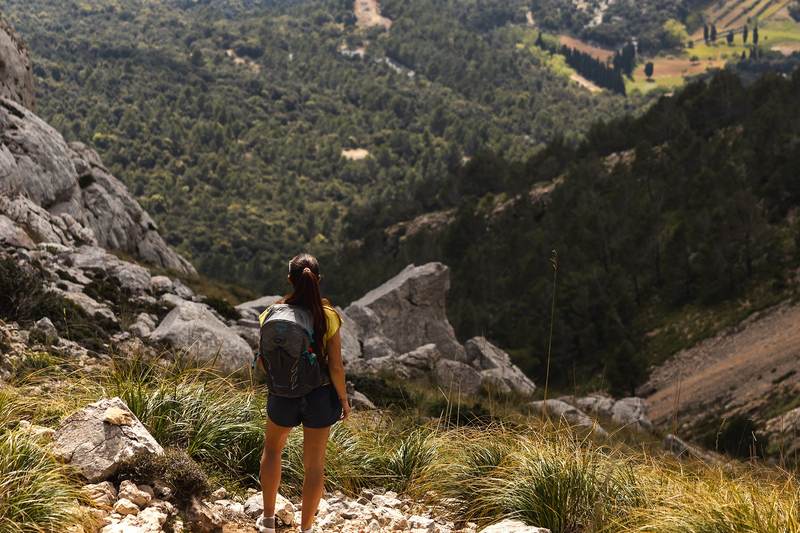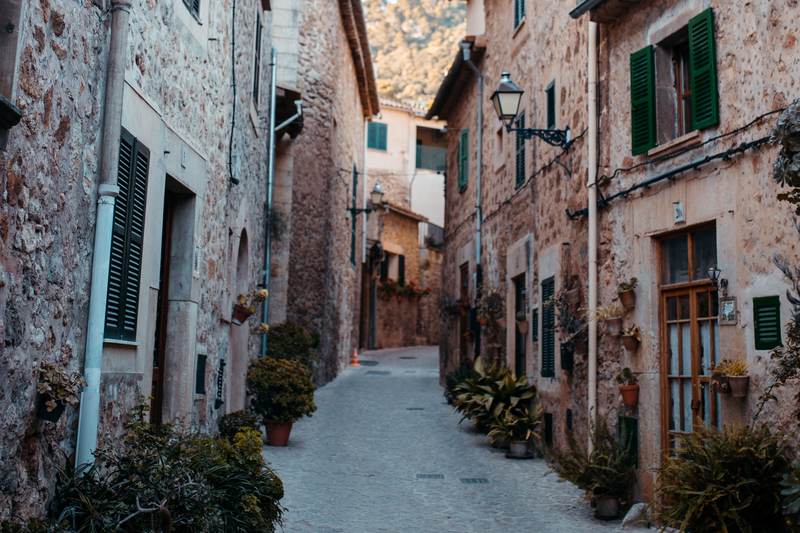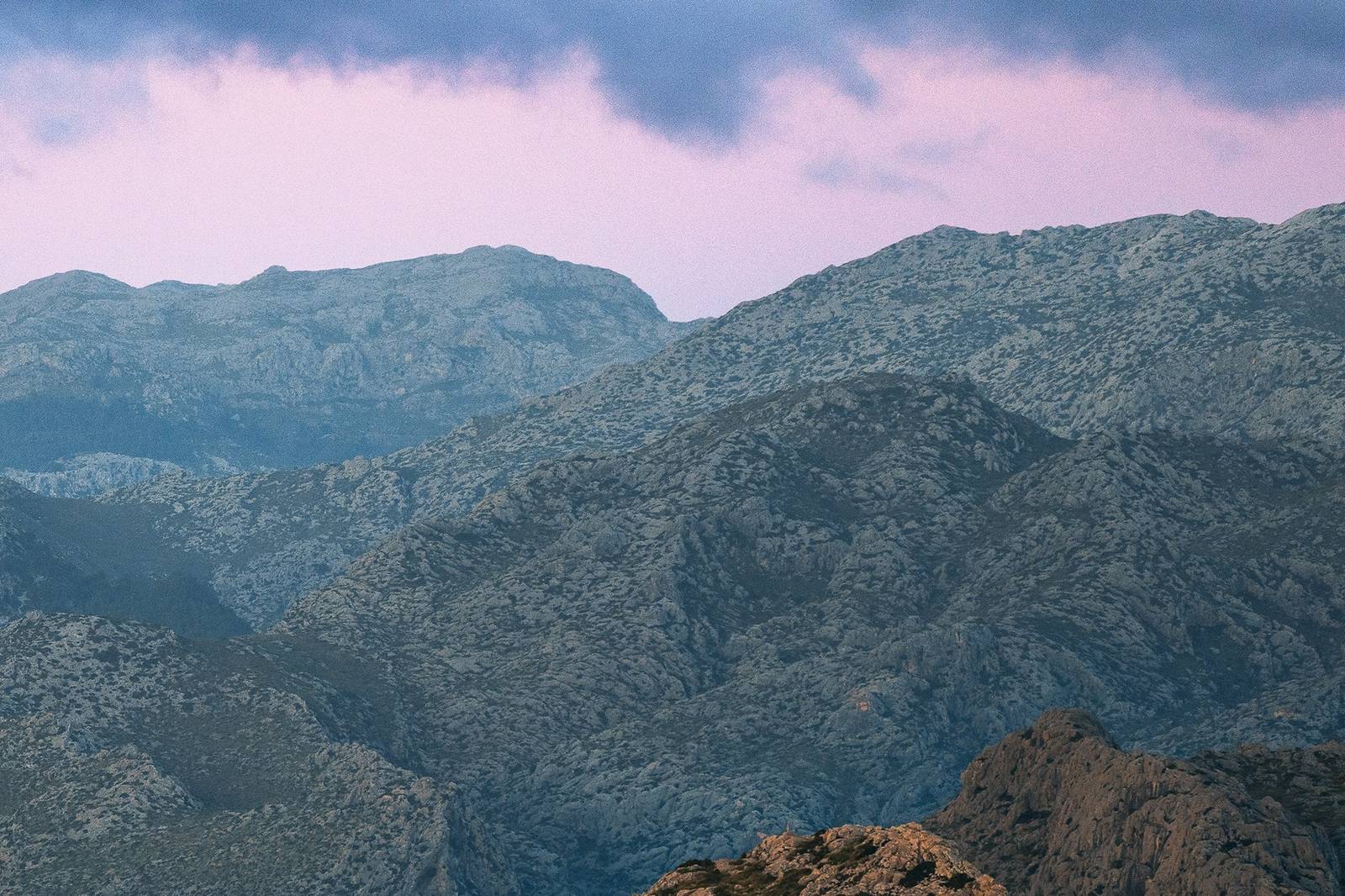
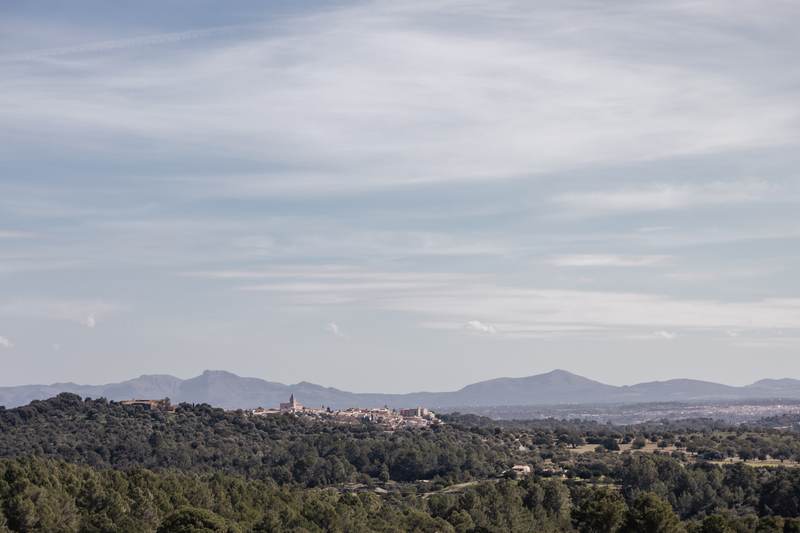
From November to March, Mallorca changes key. The beach clubs close, the coastal resorts empty, and the island goes back to farming, walking, village fiestas and long Sunday lunches. Days are shorter and some hotels shut, so a winter trip takes a little more planning. In return you get the mountains to yourself, almond trees in flower and a version of the island that most visitors never see.
Why go in winter
The numbers are kind. In January the island's official tourism site gives an average maximum of around 15°C, a minimum near 9°C, about five rainy days and plenty of sunshine between them. That is cold for a swim and close to perfect for walking or cycling. Mallorca has become one of Europe's main winter training grounds for road cyclists for exactly that reason. Prices for flights and rooms fall, and village restaurants that are full of visitors in summer go back to serving their regulars.
The trade-off: many coastal and mountain hotels close for some weeks, and smaller restaurants take their own holidays, often in January. Palma stays open all year.
Month by month
| Month | What is happening |
|---|---|
| November | Olive harvest begins. Dijous Bo in Inca, the island's biggest traditional fair, in mid-November. Autumn colour in the mountain valleys. |
| December | Christmas markets in Palma. On Christmas Eve, the Song of the Sibyl is sung in churches across the island, including Lluc and Palma Cathedral. |
| January | Sant Antoni on 16 and 17 January: bonfires, demons and the blessing of animals, at their most intense in Sa Pobla, Artà, Manacor, Pollença and Muro. Sant Sebastià, Palma's patron, on the 20th. First almond blossom. |
| February | Almond blossom across the central plain and the foothills. Carnival in the villages. Cycling season builds. |
| March | Wildflowers on the terraces, the mountain hotels reopen, and the GR221 refuges fill up at weekends. |
Winter is walking season
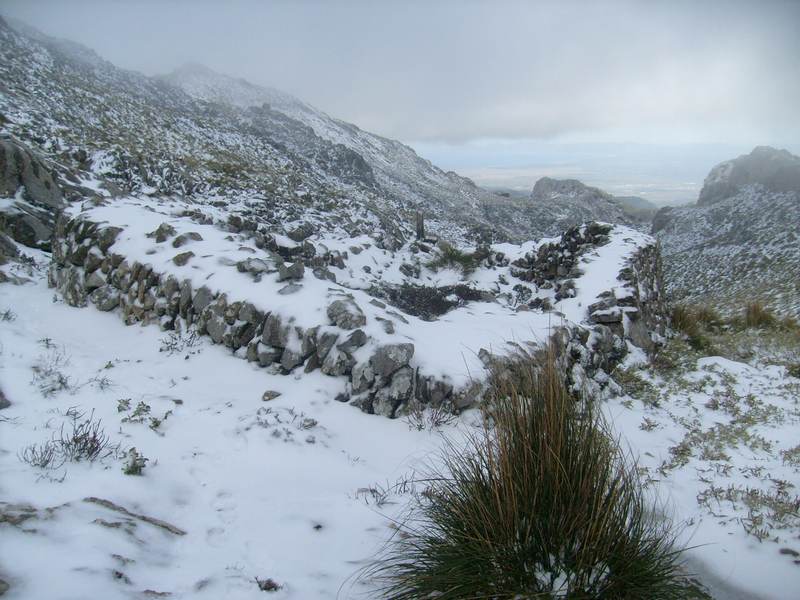
Summer heat makes most of the Serra de Tramuntana hard work by mid-morning. In winter it is the opposite: cool, clear air and long views to the sea. Three walks that are at their best in the cold months:
Barranc de Biniaraix
The stepped mule track from the hamlet of Biniaraix up through a gorge of olive terraces. Go as far as you like and come back down for lunch in Fornalutx or Sóller.
Castell d'Alaró
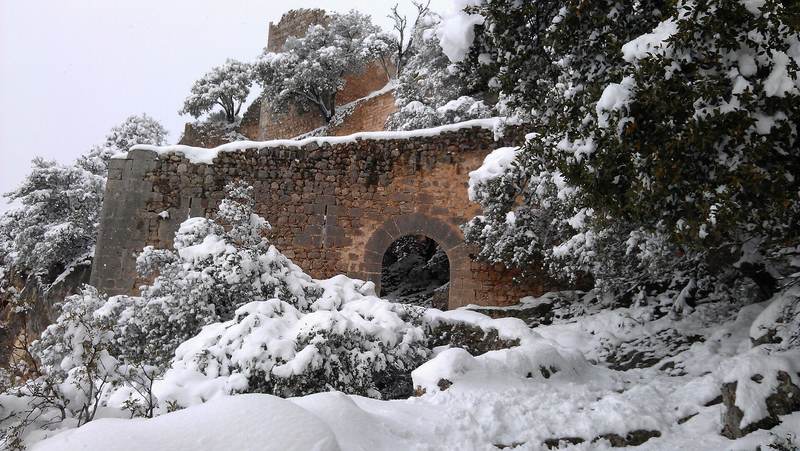
An hour's climb from the road between Alaró and Orient to the ruins of a medieval castle on a flat summit. The hostatgeria at the top serves simple food to walkers; check that it is open before relying on it.
The snow houses of the high mountains
Before refrigeration, men packed winter snow into stone pits, the cases de neu, high on Massanella and the surrounding peaks, and carried the ice down to the towns in summer. Several of these pits survive along the GR221 between Lluc and Tossals Verds. In a cold winter you may still see snow on the tops.
Days are short: plan to be off the mountain by dark. After heavy rain, stay out of the gorges and torrent beds, including the famous Torrent de Pareis, which floods quickly. Check the forecast from AEMET, the Spanish weather agency, before high routes.
Fire, fairs and markets
Sant Antoni is the island's great winter festival. On the night of 16 January villages light bonfires in their squares, grill sausages and botifarrons over the embers, and dance with masked dimonis, the devils who tempt the saint in the old songs. The next day priests bless animals in the streets. Sa Pobla and Artà are the most famous; Pollença raises a stripped pine trunk in the square, and in Mancor de la Vall a carved crow is lowered on a rope. Arrive early, park outside the village and follow the smoke.
Dijous Bo, Inca's big Thursday fair in mid-November, dates back centuries and fills the whole town with stalls, livestock, local produce and a holiday mood. Take the train from Palma; the town fills up.
The weekly markets carry on all winter and feel more local without the summer crowds. Sineu on Wednesday is the oldest; Santa Maria del Camí on Sunday is known for local produce and wine. See our market-day table.
Almond blossom arrives from late January through February, depending on the weather. The best displays are inland, on the central plain and in the foothills of the Tramuntana around Selva, Bunyola and the Orient valley.
Rainy days
A wet day in Mallorca is a good excuse for Palma. The cathedral and the old town, the contemporary art museum Es Baluard on the city walls, and the Fundació Miró in the painter's former studios all make for a full day. In the mountains, the monastery cells in Valldemossa, Robert Graves's house in Deià and the Santuari de Lluc are all indoors. And a long lunch by a fireplace in a village restaurant has never been a bad plan.
Where to stay in winter
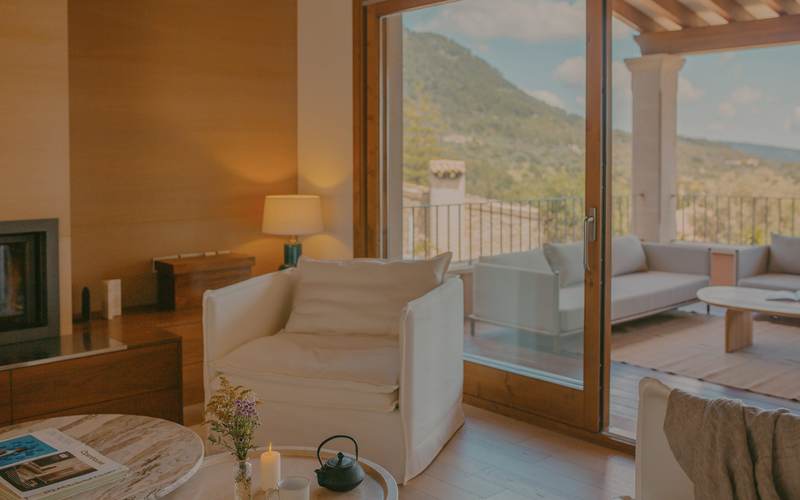
This is the part that needs care. Many hotels in the mountains close for some weeks between November and March, and the dates move each year. Some examples from this season, to show the pattern rather than replace a phone call:
- Palma is the safest base: most city hotels stay open all year, and the island's main roads make day trips to the mountains easy.
- Sóller valley: Ca's Xorc, an agroturismo hotel above the valley with fireplaces in some rooms, is listed as open all year. Fornalutx Petit Hotel takes a break from mid-December to early February.
- Deià: La Residencia closes for the winter; its 2026 season opened in mid-March.
- Pollença: Son Brull lists a closure from late November to mid-February.
- Walkers: the Consell de Mallorca refuges on the GR221 publish their own opening calendars; several stay open through the winter.
A villa or a self-catering finca is often the best winter option: you get space, a kitchen and, with luck, a fireplace, and villages nearby still have bakeries, markets and a bar or two open.
Mallorca Unfolded is published by the owners of Ca'n Beneït in Binibona. The hotel and its restaurant Mirabona close in winter and reopen on 25 February 2027. During the closure, La Villa de Ca'n Beneït can be rented as a self-catering house without hotel services; its private saltwater pool is heated all year. We mention it because it fits this section, not because it paid to be here.
Practical notes
Pack for four seasons in a day: a warm layer, a waterproof and proper shoes. Mountain villages are noticeably colder than Palma, and old stone houses can be chilly inside.
Rent a car. Winter bus timetables are thinner, and the most beautiful places are rarely on a bus route.
Ring ahead for lunch. Small restaurants close on different days in winter and take holidays at short notice. A call saves a wasted drive.
Use the light. In December the sun sets before 6pm. Start early, walk in the middle of the day and save towns and dinners for the evening.
Closure dates come from each hotel's own published information or booking listings as of November 2026. They change; always confirm before booking. Nobody paid to appear in this guide.